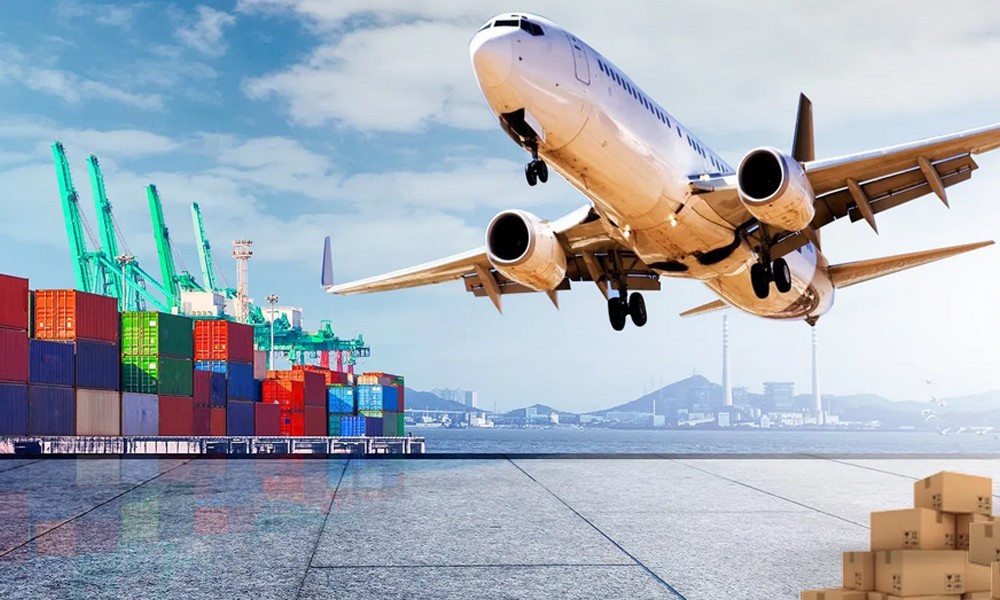
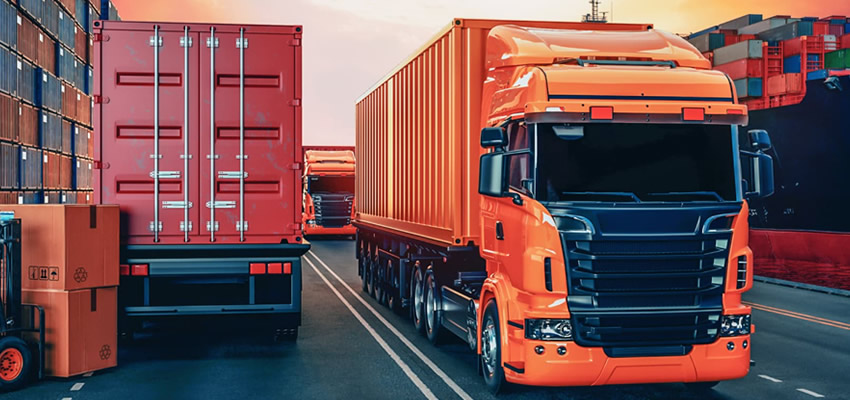
Customs clearance is the procedure of procuring permission from a country’s governing administration, through its customs authority, to either take goods out of its territory (export) or have goods enter its territory (import). All goods shipped internationally must pass through customs before they are allowed to enter or exit a country. This includes anything sent by sea, or air. Once cleared, the shipper is provided with a document that confirms that all customs duties have been paid and that the shipment of goods may proceed.
FCL means Full Container Load, which means all the goods in a container belong to a single shipper. LCL means Less Container Load, which is used when a shipper has to share the container with cargo of other shippers. The latter is chosen when the quantity of cargo is less. Transit time of LCL might get delayed, as the container is dispatched once it is stuffed is sufficient quantity of cargo. The freight forwarders charge for LCL on per cubic meter basis. Make sure there aren’t any hidden charges that are informed to you at later stages.
BOL in the freight industry stands for Bill of Lading. This document works as a receipt of freight services, or a contract between the carrier and the freight shipper that provides all the necessary details to process and invoice a shipment correctly (date of shipment, number of units, freight classification, weight, etc.). The BOL is created and then presented to the carrier at pickup. The shipper retains a copy of the BOL for their own records. Please ensure when booking your shipment that the contact information for both the shipper and consignee are included in case they need to be reached by the carrier.
Parcel shipping size limitations include packages that are heavier than 150 lbs, longer than 108 inches, or longer than 165 inches in length and girth combined, according to our standards.